Showing posts with label Prophet. Show all posts

Monday, December 11, 2017

The Best Way

Embed from Getty Images

“This is what the Lord God showed me” (Amos 7:1)


This line begins today’s Old Testament lesson from Amos, a line that is repeated in the section for today three times, as God shows Amos three different visions.


Prophets are seers, people who see things that others cannot. They can see big, cosmic events and they can see small, mundane things. They are the voices that call out to us about all the things we have forgotten. We have forgotten who we are. We have forgotten who we serve. We have forgotten where we are going. We have forgotten why we are doing what we are doing.


Prophets are uncomfortable people. Just think of our favorite Advent prophet, John the Baptist, with his strange clothes, strange diet, and his position out in the desert. Where was he pointing to? What vision did he, like Amos, receive from God?


Jerome Berryman in the Godly Play story about the Prophets explains them this way:


“There are… people who come so close to God, and God comes so close to them, that they know what God wants them to say and do. These people are called Prophets. They know the best way.”*


Prophets see the world, at least temporarily, through God’s eyes. They see where we got lost on the road. They see the burdens that slow us down, or make us want to stop. They see the path ahead and point us along the way.


We don’t always accept their wisdom. Often we don’t realize we are lost, and we reject them. They are, after all, uncomfortable people.


But God is close to them, and they are close to God. They know the way, and if we listen, prophets can point us toward a place of renewal, a place of clean hearts and clear steps forward on God’s path.

Post by Carrie Combs


*Berryman, Jerome. The Complete Guide to Godly Play volume 2. New York: Church Publishing, Inc., 2017.

Sunday, December 18, 2016

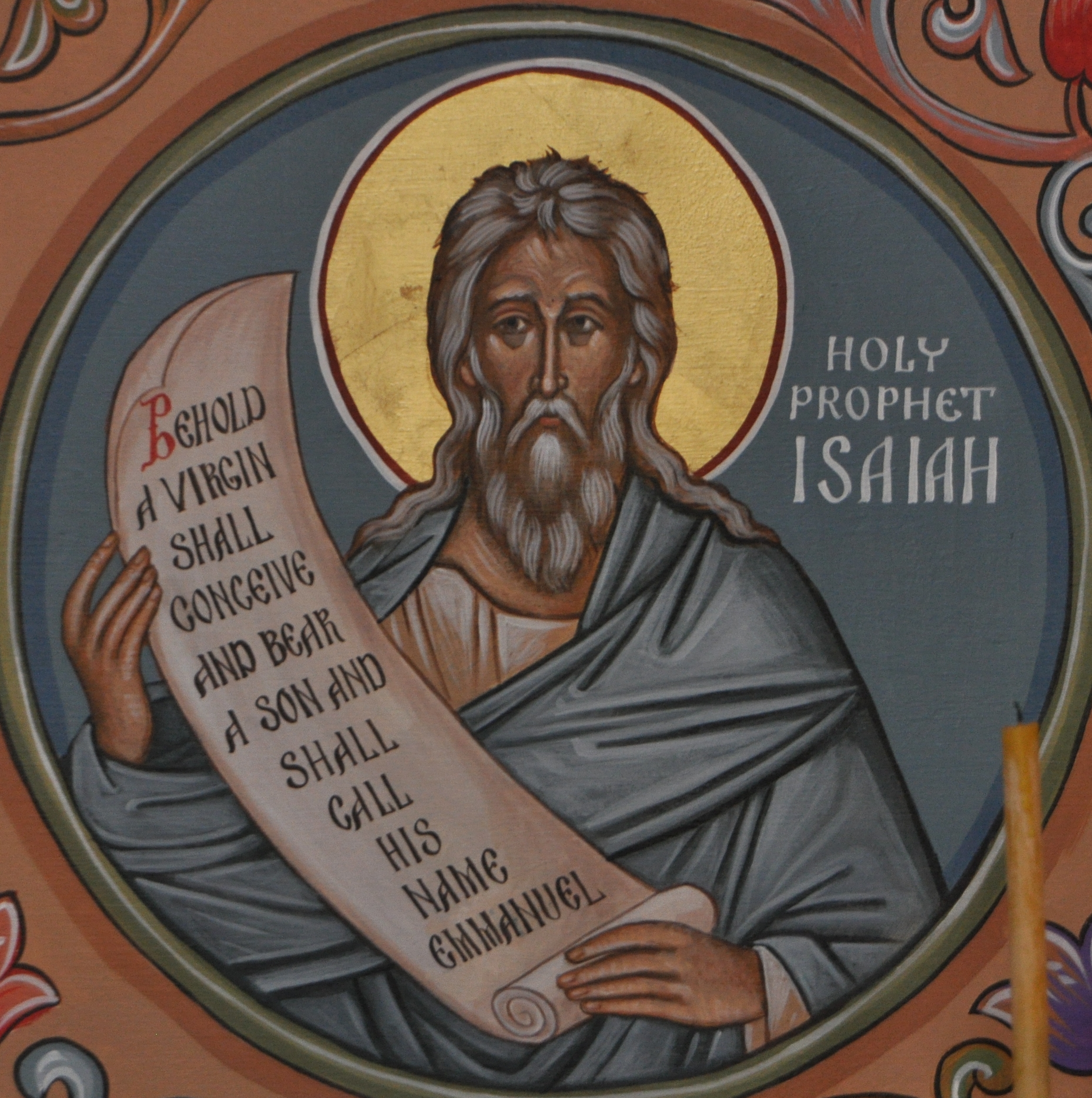
The Prophet Isaiah

http://www.royaldoors.net/wp-content/uploads/2013/06/isaiah-icon.jpg
By Benjamin Straley


In our places of worship this morning, we likely heard the following the following passages:


"Look, the young woman is with child and shall bear a son, and shall name him Immanuel." (Isaiah 7.14)


"All this took place to fulfill what had been spoken by the Lord through the prophet: "Look, the virgin shall conceive and bear a son, and they shall name him Emmanuel."" (Matthew 1.22, 23)


The prophet Isaiah is speaking a message of hope to his people in a time of uncertainty - that God is still with us.  The divinity school student in me freely acknowledges that when this was written, Isaiah was not talking about Jesus. And yet, the narrative arc of a people and of a nation extends far beyond the immediate moment, or any one given time.


I often wonder what the founders of this nation would think if they could see our country today: had they even thought it would last one hundred years? Maybe. Maybe not.  The words they spoke about equality, freedom, and the pursuit of happiness were not fully realized in their time, but they were a vision to be pursued, even if they could not see the full implications at that time.


When Matthew quotes the prophet Isaiah in his Gospel, he, together with the burgeoning Christian community, have come to realize the fulfillment of Isaiah's promise that God would dwell with his people - the consummation of that hope that was begun in Abraham (or from the foundations of the world, we might argue!), finding its enfleshment in Jesus.


Could Isaiah have foreseen as radical a fulfillment of his words as the Incarnation? Perhaps. Perhaps not. Whatever the case, I pray that we may all, in times of uncertainty or strife, have the confidence and strength to see that our very particular hopes for this world extend and continue beyond our immediate moments in history - and that they may just exist outside of our own lifetimes. But hope we must.  How blessed are we that our greatest hope, Jesus our Lord, has already come to us.